How to Learn CNC Programming After DAE Mechanical | Step-by-Step Guide
Master CNC programming with this complete guide for DAE Mechanical students. Learn software, machine operation, and practical projects for industrial jobs.
CNC (Computer Numerical Control) programming is one of the most in-demand skills for DAE Mechanical students seeking industrial jobs or automation projects. This guide offers a step-by-step path to learn CNC programming, covering machines, software, practical training, projects, and career opportunities in Pakistan.
Importance of CNC Programming

CNC programming allows precise and automated control over manufacturing operations. For DAE Mechanical students, it offers:
- Enhanced employability in workshops and manufacturing industries
- Automation of mechanical processes, reducing manual effort
- Higher accuracy and productivity with minimal human error
- Seamless integration with CAD/CAM software for advanced designs
Start with CAD tools: AutoCAD and SolidWorks.
Types of CNC Machines
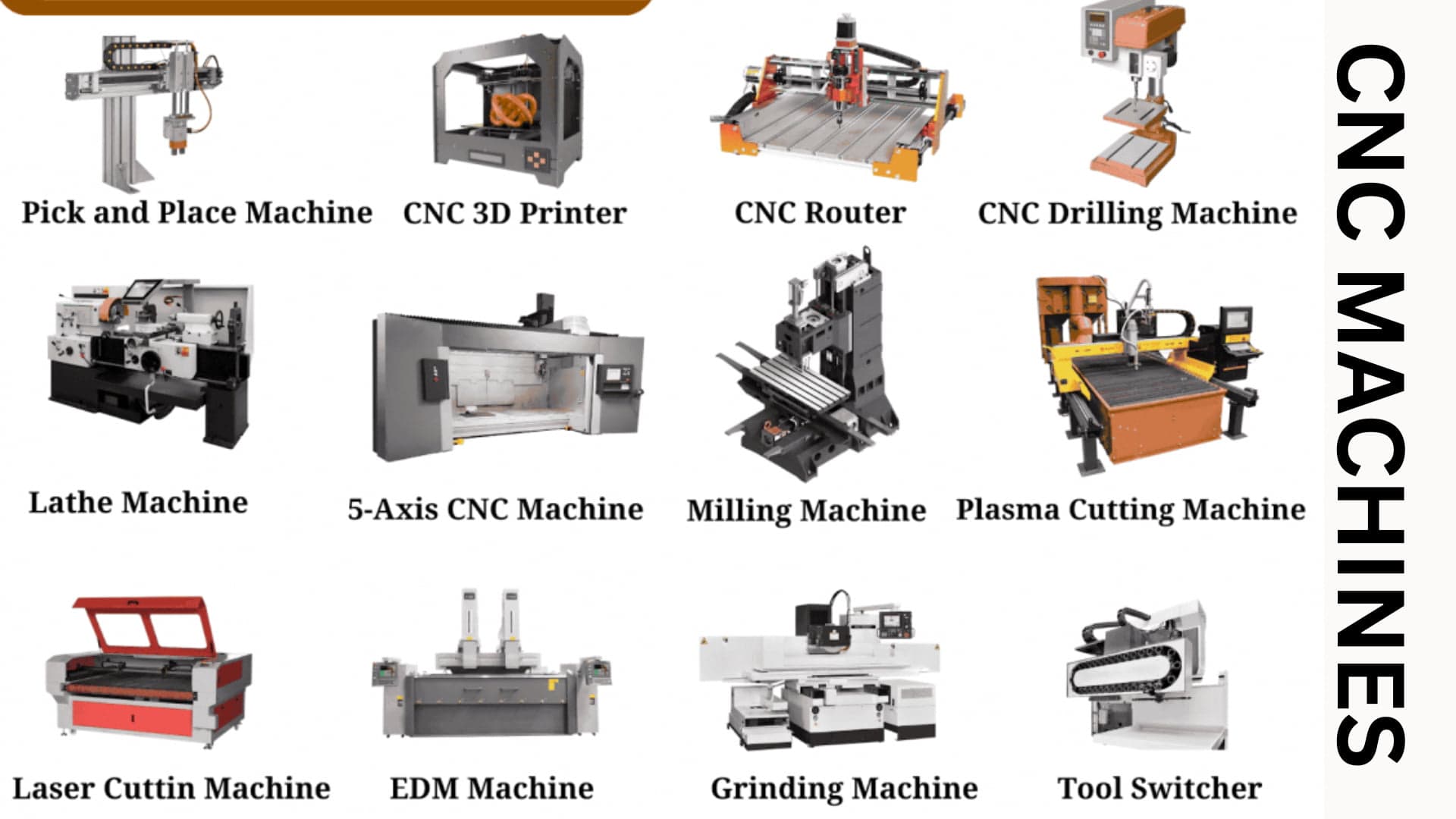
Knowing CNC machine types helps you target your learning efficiently:
- CNC Milling Machines: Cutting, drilling, and shaping parts
- CNC Lathe Machines: Rotational cutting of cylindrical parts (Lathe Machine Guide)
- CNC Router: Works with wood, plastics, and composites
- CNC Plasma & Laser Cutting: Precision cutting of metals
- CNC EDM: Complex shapes in hard materials
Quick Comparison Table:
| Machine | Material | Application |
|---|---|---|
| Milling | Metal | Cutting & Shaping Parts |
| Lathe | Metal/Wood | Cylindrical Parts |
| Router | Wood/Plastic | Shaping & Engraving |
| Laser/Plasma | Metal | Precision Cutting |
| EDM | Hard Metals | Complex Shapes |
Basic CNC Concepts
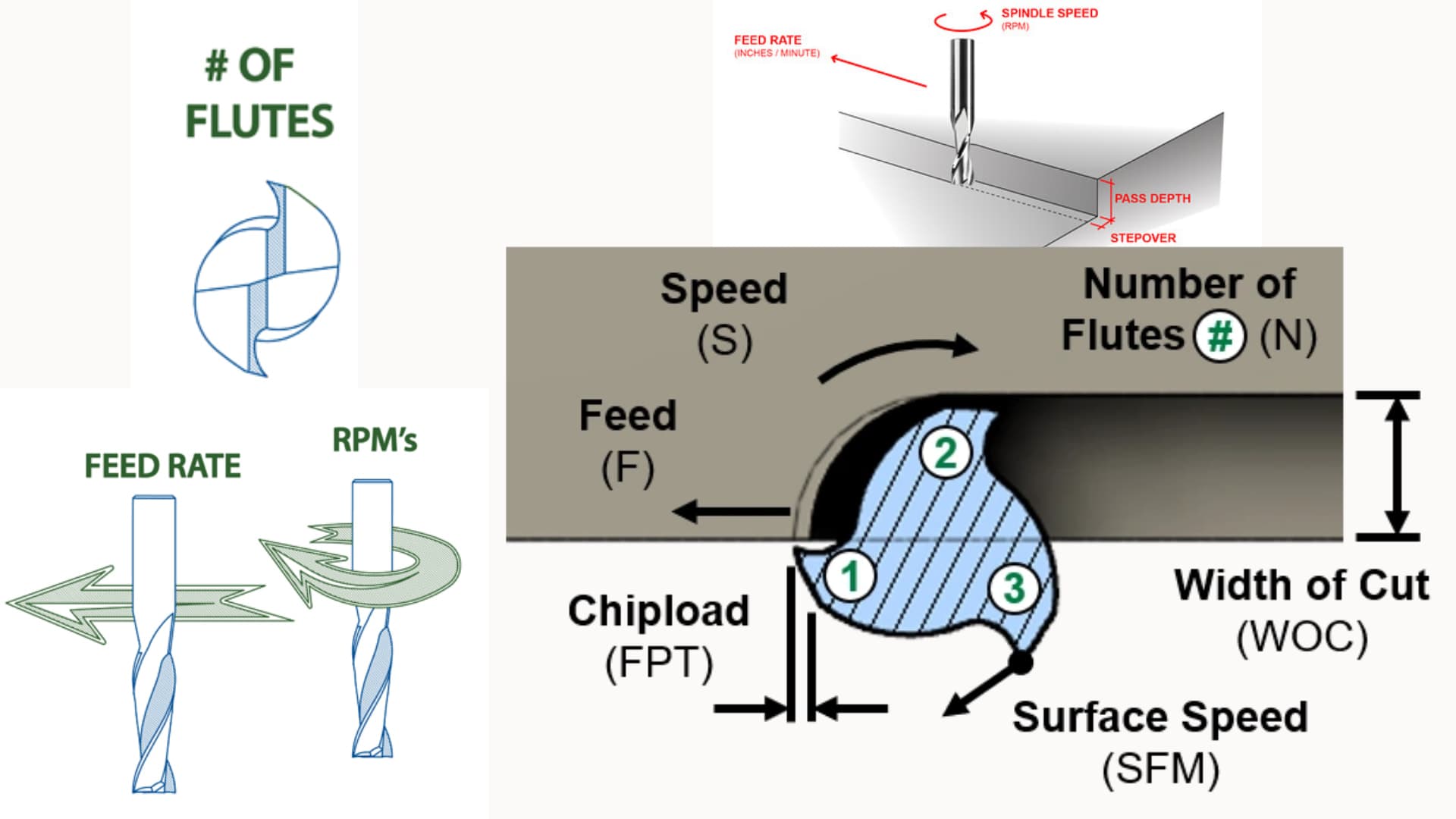
Before programming, understand these core concepts:
- G-code & M-code: CNC programming languages
- Axes Movement: X, Y, Z, and rotational axes
- Feed Rate: Tool movement speed
- Spindle Speed: RPM of cutting tool
- Coordinate System: Machine zero & work offsets
Learning CNC Software
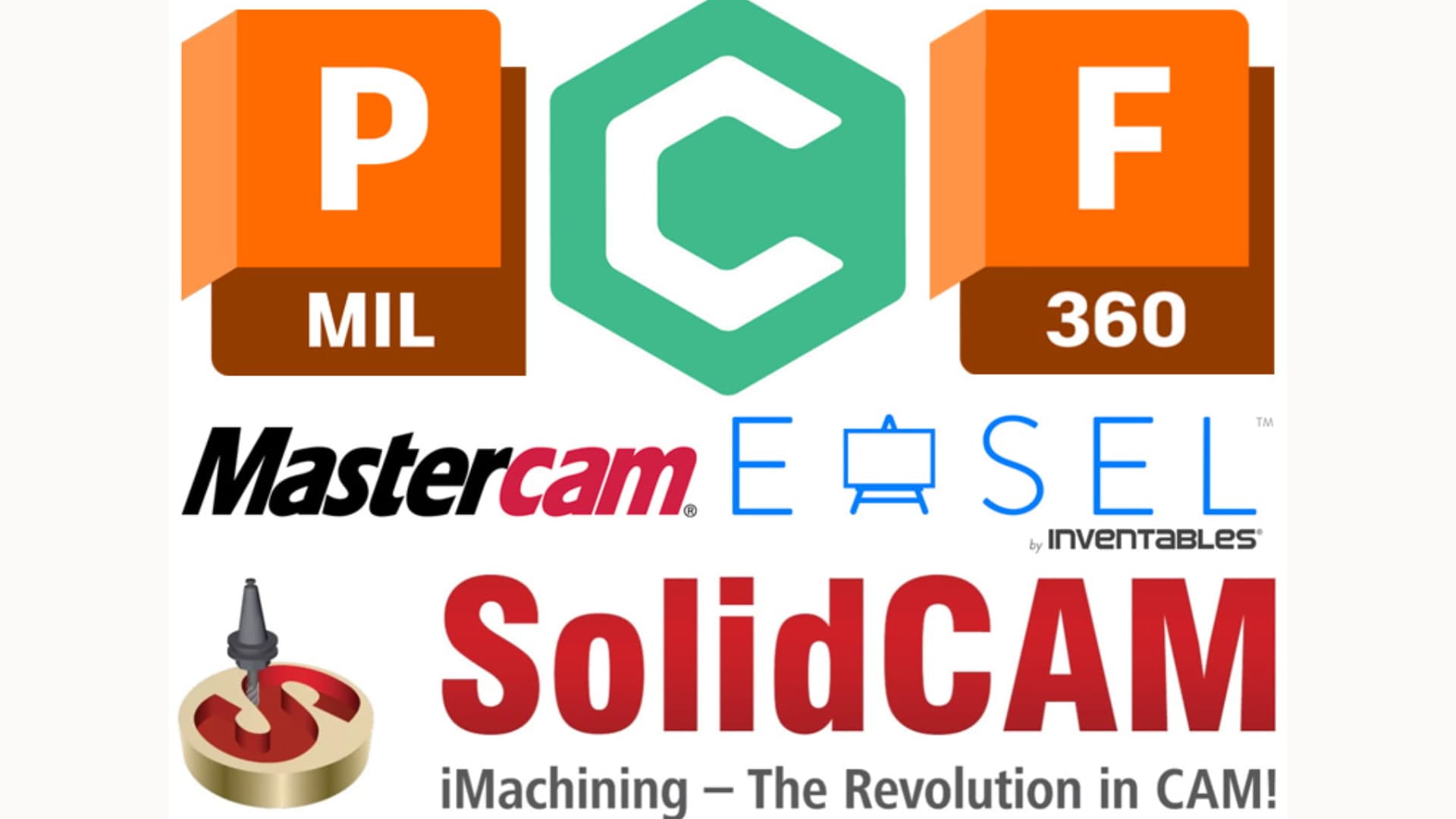
Software is key for designing and generating CNC code. Recommended tools:
- Fusion 360: CAD/CAM design and code generation (Best Software Guide)
- MACH3: Popular CNC controller software for routers & milling
- GRBL: Open-source beginner-friendly controller software
- Mastercam: Advanced CAM software for industrial CNC machining
Practical Training & Workshops
Hands-on experience is essential. Recommended approaches:
- Enroll in local CNC training centers or workshops
- Practice on CNC simulators before real machines
- Use desktop-scale CNC machines for home practice
- Involve CNC in final-year mechanical projects (Project Ideas)
Step-by-Step Learning Path
- Start with mechanical workshop basics (Workshop Tools Guide)
- Learn CAD software (AutoCAD & SolidWorks)
- Understand CNC machine types & functions
- Study G-code & M-code programming
- Practice on CNC simulators
- Hands-on practice on actual CNC machines
- Work on small projects, then gradually tackle complex tasks
Projects to Practice CNC Programming
Practice projects for beginners to intermediate students:
- Engraving simple patterns on wood or metal
- Manufacturing small mechanical parts like gears or brackets
- Creating simple tools or workshop attachments
- Mini automated mechanical assemblies using CNC
Career Opportunities in CNC Programming
- Workshop CNC operator or programmer
- Industrial manufacturing technician
- Automation & robotics engineer assistant
- CAD/CAM specialist for mechanical design companies
Frequently Asked Questions
Can a DAE Mechanical student learn CNC without prior experience?
Yes, by starting with CAD software and small CNC machines, then moving to industrial practice.
Which software is best for beginners?
Fusion 360 and MACH3 are beginner-friendly and widely used in Pakistan.
Do I need a CNC machine at home?
No. Start with simulators or desktop CNC machines. Industrial practice comes later.
How long does it take to learn CNC programming?
With consistent practice, beginners can learn basic CNC programming in 2–3 months.
Can CNC skills improve final year projects?
Absolutely. CNC skills enable fabrication of precise parts, boosting project quality and feasibility.
Conclusion — Master CNC, Boost Career
CNC programming is a highly valuable skill for DAE Mechanical students. By combining CAD knowledge, CNC software proficiency, workshop skills, and practical training, students can master CNC programming, enhance employability, and excel in industrial workshops. Begin with AutoCAD and SolidWorks, progress to simulators, and practice on real machines for a successful career in manufacturing and automation.
Related guides: Final Year Project Ideas, Mechanical Workshop Tools, Best Software for DAE Mechanical Engineers.