Importance of Sustainable Architecture in Urban Planning | Pakistan 2026
Explore the importance of sustainable architecture in Pakistan’s urban planning, including energy efficiency, green materials, water management, and landscape design.
Introduction — Sustainable Architecture for Modern Cities
Sustainable architecture is no longer just a trend—it is a necessity for urban planning in Pakistan. With increasing urbanization, energy consumption, and environmental challenges, architects and city planners are focusing on designs that are eco-friendly, resource-efficient, and socially responsible.
What is Sustainable Architecture?
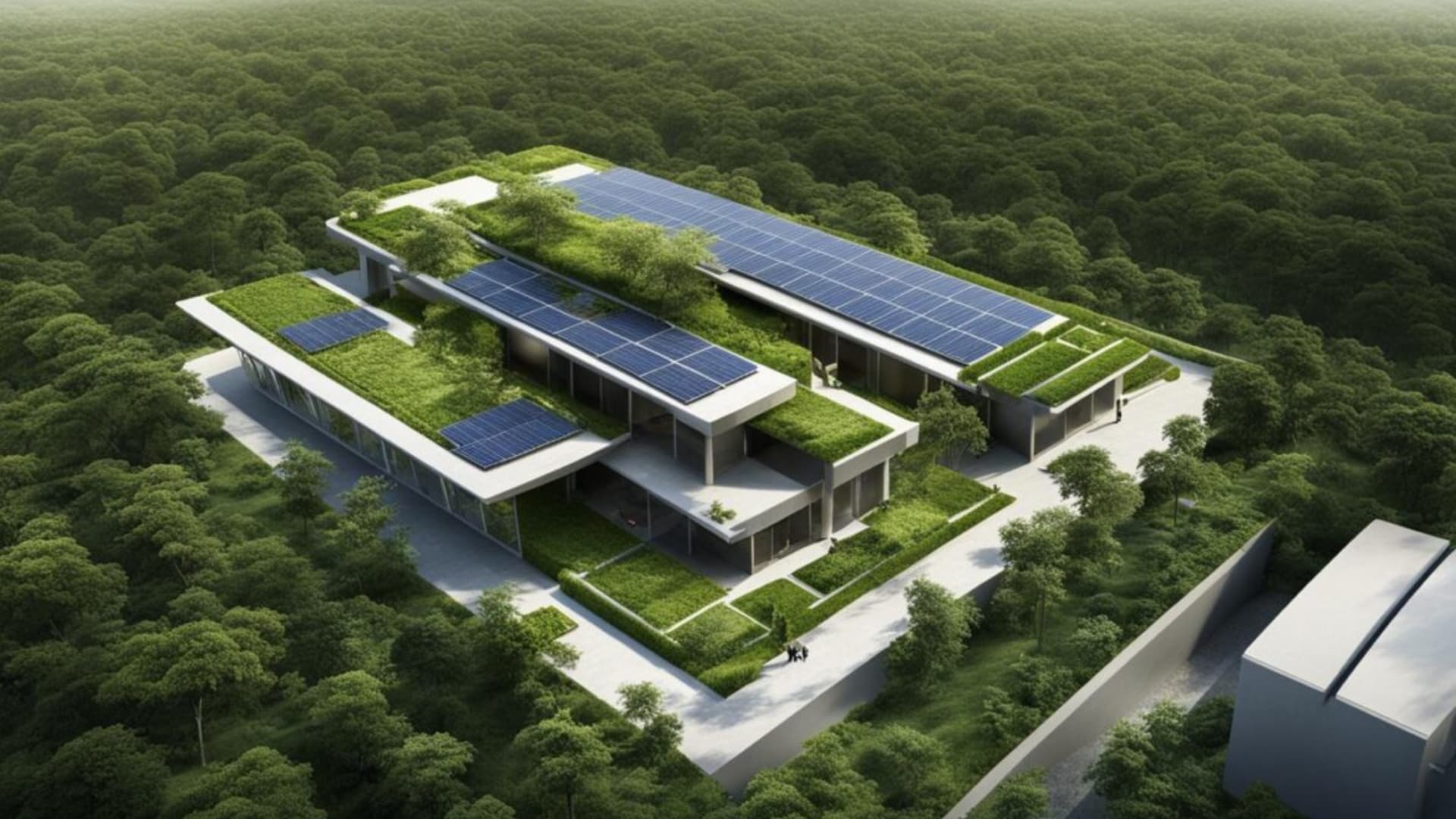
Sustainable architecture, also called green architecture, focuses on minimizing environmental impact while maximizing energy efficiency and resource conservation. It integrates eco-friendly materials, renewable energy, and smart urban planning practices.
In Pakistan, sustainable architecture is becoming increasingly relevant due to rapid urban growth, rising energy costs, and environmental challenges such as air pollution and water scarcity.
Importance in Urban Planning
Sustainable architecture is essential in urban planning for several reasons:
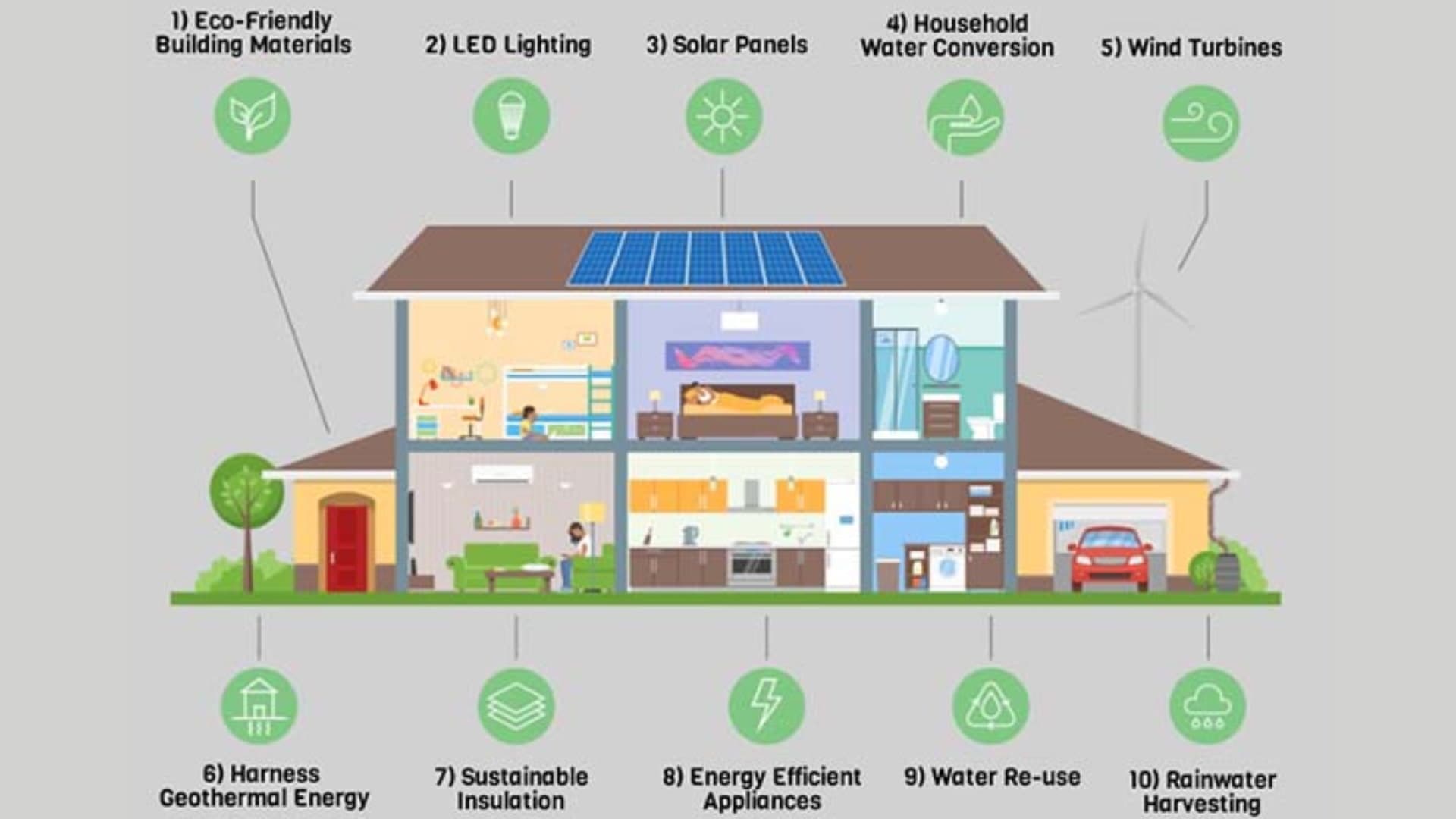
- Energy Efficiency: Reduces electricity consumption through smart design and renewable energy integration.
- Environmental Protection: Minimizes waste, pollution, and carbon footprint.
- Improved Quality of Life: Healthier living environments through natural ventilation, daylight, and green spaces.
- Economic Benefits: Long-term cost savings on energy, water, and maintenance.
Major cities like Islamabad and Lahore are gradually incorporating green design in residential and commercial areas.
Key Principles of Sustainable Architecture
- Maximizing natural light and ventilation
- Using renewable energy sources (solar, wind)
- Water conservation techniques (rainwater harvesting, greywater reuse)
- Minimizing construction waste and using recyclable materials
- Creating green spaces and promoting urban biodiversity
Energy-Efficient Buildings
- Solar panels for electricity and water heating
- LED lighting and energy-efficient appliances
- Insulation to reduce heating and cooling requirements
- Passive cooling techniques for hot climates
Green Building Materials
- Fly ash bricks instead of clay bricks
- Recycled concrete and steel
- Bamboo and sustainably sourced timber
- Low-VOC paints for healthier indoor air
Water Management in Urban Projects
- Rainwater harvesting
- Greywater recycling for gardens and toilets
- Drip irrigation for landscaping
- Stormwater management and permeable pavements
Urban Landscape Design
- Parks and gardens in residential areas
- Terrace gardens and green roofs in commercial buildings
- Urban forestry along streets
- Public plazas with sustainable shading and seating
Government Initiatives in Pakistan
- Energy-efficient building codes
- Promotion of solar energy in housing societies
- Incentives for eco-friendly construction materials
- Public awareness campaigns for water conservation and green spaces
Frequently Asked Questions (FAQs)
- What is sustainable architecture?
Sustainable architecture is the practice of designing buildings to minimize environmental impact while maximizing energy efficiency, resource conservation, and occupant comfort. - Why is sustainable architecture important for urban planning in Pakistan?
With rapid urbanization, energy consumption, and environmental challenges, sustainable architecture reduces energy and water usage, promotes eco-friendly construction, and improves the quality of life in cities. - What are key features of sustainable buildings?
Energy-efficient systems, eco-friendly materials, renewable energy integration, water recycling, green spaces, natural ventilation, and daylight maximization are common features. - Which cities in Pakistan are adopting sustainable urban practices?
Islamabad, Lahore, Karachi, and emerging housing societies are increasingly integrating sustainable architecture in both residential and commercial projects. - How can individuals contribute to sustainable urban design?
Using energy-efficient appliances, practicing water conservation, planting greenery, and supporting eco-friendly construction practices are ways individuals can contribute.
Conclusion — Building a Sustainable Future
Sustainable architecture is crucial for Pakistan’s growing cities. By integrating eco-friendly materials, energy-efficient systems, water management, and green landscapes, architects can create urban spaces that are functional, cost-effective, and environmentally responsible. Adopting these principles preserves the environment, improves quality of life, and ensures a sustainable future for residents.